地圖 - 熱線
15392885678
地圖 - 熱線
- 服務熱線 - 15392885678 15069779222
看了《江蘇省實驗室危險廢物環境管理指南》、《DB 3201T 1168-2023 實驗室危險廢物污染防治技術規范》,很有感觸,對于一些先前法規標準未提及的內容開始逐漸有清晰的管理要求,小編分享一下學習心得,歡迎各位實驗室安全同仁交流。
After reading the "Jiangsu Province Laboratory Hazardous Waste Environmental Management Guidelines" and the "DB 3201T 1168-2023 Laboratory Hazardous Waste Pollution Prevention and Control Technical Specifications", I have a lot of insights. For some content that was not mentioned in previous regulations and standards, there are gradually clear management requirements. I would like to share my learning experience and welcome all laboratory safety colleagues to exchange ideas.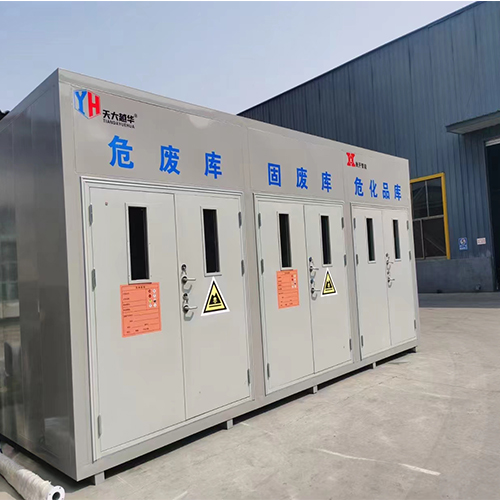
1、實驗室產生的廢鎘鎳電池、熒光粉和陰極射線管危險廢物代碼為900-044-49。
1. The hazardous waste code for waste cadmium nickel batteries, fluorescent powders, and cathode ray tubes generated in the laboratory is 900-044-49.
2、實驗室廢氣治理中產生的廢活性炭危險廢物代碼為900-039-49。
2. The hazardous waste code for waste activated carbon generated in laboratory waste gas treatment is 900-039-49.
3、危險廢物在實驗室內部貯存點最大貯存量不得超過0.1噸,在建筑內部單個貯存點最大貯存量不得超過0.5噸,在建筑外部單個貯存點最大貯存量不得超過3噸。實驗室內部貯存點單個容器盛滿后,貯存時間不應超過7天。廢棄危險化學品和含氰廢液在貯存點存放時間不應超過30天。其他實驗室危險廢物在貯存點存放時間不應超過90天。小編解讀:
3. The maximum storage capacity of hazardous waste at internal storage points in the laboratory shall not exceed 0.1 tons, the maximum storage capacity at a single storage point inside the building shall not exceed 0.5 tons, and the maximum storage capacity at a single storage point outside the building shall not exceed 3 tons. After a single container is filled in the internal storage point of the laboratory, the storage time should not exceed 7 days. Waste hazardous chemicals and cyanide containing waste liquids should not be stored for more than 30 days at the storage site. Hazardous waste from other laboratories should not be stored in the storage area for more than 90 days. Editor's interpretation:
1)實驗室內部貯存點,對應實驗室危險廢物暫存區域。
1) Internal storage point in the laboratory, corresponding to the temporary storage area for hazardous waste in the laboratory.
2)建筑內部單個貯存點,對應實驗室危險廢物暫存間(危廢間)。
2) A single storage point inside the building corresponds to a laboratory hazardous waste temporary storage room (hazardous waste room).
3)建筑外部單個貯存點,對應實驗室危險廢物暫存庫(危廢庫)。
3) A single storage point outside the building corresponds to a laboratory hazardous waste temporary storage warehouse (hazardous waste warehouse).
4、關于實驗室內部貯存點(實驗室危險廢物暫存區域)危險廢物存放時間1)實驗室內部貯存點單個容器盛滿后,貯存時間不應超過7天。小編解讀:北京市地標《DB11/T 1368-2016 實驗室危險廢物污染防治技術規范》
4. Regarding the internal storage point of the laboratory (temporary storage area for hazardous waste in the laboratory), the storage time of hazardous waste should not exceed 7 days after a single container is filled in the internal storage point of the laboratory. Interpretation by the editor: Beijing landmark "DB11/T 1368-2016 Laboratory Hazardous Waste Pollution Prevention and Control Technical Specification"
7.4 暫存區內的危險廢物原則上應日產日清,最長不應超過30天,沒有體積單個容器盛滿后的最長貯存時間,這里明確提及7天給出了參考建議,對于儀器室小編建議收集滿1桶應及時轉移到單位實驗室危廢暫存庫(間)。2)廢棄危險化學品和含氰廢液在實驗室危險廢物暫存區域存放時間不應超過30天。3)其他實驗室危險廢物在貯存點存放時間不應超過90天。小編解讀:其他實驗室危險廢物,如固體廢棄物,如空試劑瓶、沾染危險化學品的膠體、玻璃塑料器具、PPE等在實驗室危險廢物暫存區域存放時間不應超過90天。
In principle, hazardous waste in the temporary storage area should be cleared daily, with a maximum storage time of 30 days. The maximum storage time for a single container without volume should not exceed 7 days. Here, we provide a reference suggestion for 7 days. For the instrument room editor, it is recommended to collect one full bucket and transfer it to the hazardous waste temporary storage warehouse (room) in the unit laboratory in a timely manner. 2) Waste hazardous chemicals and cyanide containing waste liquids should not be stored in the laboratory hazardous waste temporary storage area for more than 30 days. 3) Hazardous waste from other laboratories should not be stored in the storage area for more than 90 days. Editor's interpretation: Other laboratory hazardous waste, such as solid waste, empty reagent bottles, colloids contaminated with hazardous chemicals, glass and plastic utensils, PPE, etc., should not be stored in the laboratory hazardous waste temporary storage area for more than 90 days.
4)《GBT 31190-2014 實驗室廢棄化學品收集技術規范》 ?
4) GBT 31190-2014 Technical Specification for Collection of Laboratory Waste Chemicals?
7.5 當實驗室廢棄化學品裝滿貯存設施容量的3/4時,應及時申請清運、處理。不明成分的實驗室廢棄化學品在成分確定前不得貯存在 WAA 區域。
When the laboratory waste chemicals are filled to 3/4 of the storage facility capacity, timely application for removal and disposal should be made. Laboratory waste chemicals with unknown components shall not be stored in the WAA area until their composition is determined.
5)《中華人民共和國固體廢物污染環境防治法》 ?第八十一條 從事收集、貯存、利用、處置危險廢物經營活動的單位,貯存危險廢物不得超過一年;確需延長期限的,應當報生態環境主管部門批準。
5) The Solid Waste Pollution Prevention and Control Law of the People's Republic of China? Article 81: Units engaged in the collection, storage, utilization, and disposal of hazardous waste shall not store hazardous waste for more than one year; If it is necessary to extend the deadline, approval should be obtained from the competent department of ecological environment.
7、貯存點貯存的危險廢物應置于容器或包裝物中,不應直接散堆。存放液態危險廢物時,需采取防滲漏措施,將容器置于托盤中。存放兩種及以上不相容液態危險廢物時,應分類分區存放,且不得共用泄露液體收集裝置。[小編解讀:實驗室危險廢物暫存區域應建立實驗室危險廢物投放登記表]
7. The hazardous waste stored at the storage point should be placed in containers or packaging materials and should not be directly scattered. When storing liquid hazardous waste, anti leakage measures should be taken by placing the container on a pallet. When storing two or more incompatible liquid hazardous wastes, they should be classified and stored in separate areas, and the leakage liquid collection device should not be shared. [Editor's interpretation: A laboratory hazardous waste disposal registration form should be established in the temporary storage area of laboratory hazardous waste]
8、貯存點應建立投放登記制度,每一個收集容器對應一份投放記錄表,記錄投放時間、投放主要化學物質、投放人等信息,鼓勵使用電子投放記錄表,投放記錄表應作為臺賬至少保存五年。[小編解讀:實驗室危險廢物暫存區域應建立實驗室危險廢物投放登記表]
8. Storage points should establish a registration system for delivery, with each collection container corresponding to a delivery record form, recording information such as delivery time, main chemical substances delivered, and delivery personnel. The use of electronic delivery record forms is encouraged, and they should be kept as a ledger for at least five years. [Editor's interpretation: A laboratory hazardous waste disposal registration form should be established in the temporary storage area of laboratory hazardous waste]
9、實驗室危險廢物在內部轉運時,應至少2名實驗室管理人員參與轉運并符合《危險廢物收集貯存運輸技術規范》(HJ2025-2012)有關收集和內部轉運作業要求。[小編解讀:實驗室危險廢物轉運是危險性作業,存在化學品泄漏引發的化學灼傷、火災、爆炸、中毒、環境污染等事故風險,要求至少2人在場,一人作業,一人監護]
9. When hazardous waste is transported internally in the laboratory, at least 2 laboratory management personnel should participate in the transportation and comply with the collection and internal transportation requirements of the "Technical Specifications for Collection, Storage, and Transportation of Hazardous Waste" (HJ2025-2012). [Editor's interpretation: Laboratory hazardous waste transportation is a hazardous operation that poses risks of chemical burns, fires, explosions, poisoning, environmental pollution, and other accidents caused by chemical leaks. At least 2 people are required to be present, with one person working and one person supervising.]
10、應建立實驗室危險廢物管理臺賬,如實記錄產生實驗室危險廢物的種類、數量、流向、貯存、處置等情況,在江蘇省固體廢物管理系統內申報有關信息或納入小量危險廢物集中收集體系。實驗室外部貯存點需配備專人管理,并以實驗室為單位做好臺賬記錄。鼓勵使用物聯網技術對實驗室危險廢物環境管理信息進行實時記錄。
10. A laboratory hazardous waste management ledger should be established to truthfully record the types, quantities, flow directions, storage, disposal, and other situations of hazardous waste generated in the laboratory. Relevant information should be declared in the Jiangsu solid waste management system or included in the centralized collection system for small amounts of hazardous waste. The external storage point of the laboratory needs to be managed by a dedicated person, and a ledger should be kept for each laboratory unit. Encourage the use of IoT technology for real-time recording of laboratory hazardous waste environmental management information.
11、實驗室產生廢棄劇毒、易制毒、易制爆等危險化學品時,還應當向所在地公安機關報告,按照其規定的方式進行預處理、運輸、貯存、處置。產生廢棄醫用麻醉藥品時,應當向所在地衛生健康主管部門提出報損申請,并在所在地衛生健康主管部門監督下進行銷毀,殘留物按照醫療廢物管理。產生廢棄獸用麻醉藥品時,所有者應當向所在地農業農村主管部門報告,按照規定進行預處理、運輸、貯存、處置。
11. When hazardous chemicals such as highly toxic, easily producible drugs, and easily producible explosives are generated in the laboratory, they should also be reported to the local public security organs for pre-treatment, transportation, storage, and disposal in accordance with their regulations. When producing discarded medical anesthetics, an application for loss reporting should be submitted to the local health authority, and the waste should be destroyed under the supervision of the local health authority. The residue should be managed as medical waste. When producing waste veterinary anesthetics, the owner shall report to the local agricultural and rural competent department and carry out pre-treatment, transportation, storage, and disposal in accordance with regulations.
12、多個實驗室共用的貯存點應配備專人管理,并以實驗室為單位做好臺賬記錄。
12. Storage points shared by multiple laboratories should be managed by dedicated personnel and recorded on a laboratory by laboratory basis.
[小編解讀:實驗室危險廢物通常建議分散貯存,及時轉運到實驗室危險廢物暫存庫(間),如因特殊情況,多個實驗室共用實驗室危險廢物暫存區域,簡單說是其他實驗室的危險廢物也投放到某一約定實驗室危險廢物暫存區域,應配備專人管理,像數百平的大開間,也會遇到此類情況。]通常建議,以實驗室房間為單位在各自實驗室區域設置實驗室危險廢物暫存區域,如確有需要多個實驗室或大開間共用實驗室危險廢物暫存區域,小編認為目前有2個做法:
[Editor's interpretation: Laboratory hazardous waste is usually recommended to be stored separately and transported to the laboratory hazardous waste temporary storage warehouse (room) in a timely manner. If, due to special circumstances, multiple laboratories share the laboratory hazardous waste temporary storage area, in other words, hazardous waste from other laboratories is also placed in a designated laboratory hazardous waste temporary storage area, it should be managed by a dedicated person. For example, large open rooms with hundreds of square meters may also encounter such situations.] It is generally recommended to set up laboratory hazardous waste temporary storage areas in each laboratory area on a room by room basis. If it is necessary for multiple laboratories or large open rooms to share the laboratory hazardous waste temporary storage area, the editor believes that there are currently two approaches:
1是以獨立的實驗室房間或課題組為單元,各自實驗室產生的危險廢物,各自分開收集,設置多個危險廢物收集容器或包裝物,專人負責,建立實驗室危險廢物投放登記表,建立實驗室危險廢物臺賬。[缺點:廢液桶數量多,占空間多;優點:便于管理,減少不相容危險廢物誤混合收集風險]
1. The hazardous waste generated by each independent laboratory room or research group is collected separately, and multiple hazardous waste collection containers or packaging materials are set up. A dedicated person is responsible for establishing a laboratory hazardous waste disposal registration form and a laboratory hazardous waste ledger. [Disadvantages: Large number of waste liquid tanks, taking up more space; Advantages: Easy to manage, reducing the risk of mixing and collecting incompatible hazardous waste]
2是設置共用危險廢物收集容器和包裝物,大家都可以往里面投放產生的危廢,須要對相關師生進行針對性培訓和監督,確實做到危險廢物分類收集、分區貯存,嚴禁不相容危險廢物混合收集。[缺點:存在混合收集不相容危險廢物導致事故的潛在風險;優點:減少廢液桶數量,占空間少]
2. It is necessary to set up shared hazardous waste collection containers and packaging materials, where everyone can dispose of the generated hazardous waste. Targeted training and supervision must be provided to relevant teachers and students to ensure that hazardous waste is collected and stored in different zones, and incompatible hazardous waste is strictly prohibited from being collected together. [Disadvantages: There is a potential risk of accidents caused by mixed collection of incompatible hazardous waste; Advantages: Reducing the number of waste liquid tanks and occupying less space]
本文由 高校實驗室危廢暫存庫 友情奉獻.更多有關的知識請點擊 http://m.lnjyxx.com/ 真誠的態度.為您提供為全面的服務.更多有關的知識我們將會陸續向大家奉獻.敬請期待.
This article is a friendly contribution from the hazardous waste storage facility in university laboratories For more related knowledge, please click http://m.lnjyxx.com/ Sincere attitude To provide you with comprehensive services We will gradually contribute more relevant knowledge to everyone Coming soon.
地址

服務熱線

郵箱


截屏,微信識別二維碼